Storytelling
Off the Page
Stanford Storytelling Project
Off the Page is a podcast of stories, essays, and poetry from the Stanford University writing community, produced by the Stanford Storytelling Project in collaboration with the Stanford Creative Writing Program. Learn more at storytelling.stanford.edu and at creativewriting.stanford.edu Theme music by the generous ”Breakmaster Cylinder”
44 min
10 episodes
1
Faith Merino
41 min
311/18/2025Faith Marino is the author of the novel Cormorant Lake which was long listed for the Center for Fiction's 2021 First Novel Award. She holds an MFA from UC Davis, and her short stories have appeared in the Indiana Review, Harper Pallette, the Carolina Quarterly, and more, in addition to inclusion among the Best American Short Stories Distinguished Stories. She is currently at work on a second novel, as well as a short story collection, and is a Wallace Stegner Fellow in Fiction at Stanford.
2
Sarah Lewis
44 min
311/18/2025Sarah Lewis is a coterminal master’s student at Stanford University in the English Department, having pursued a BA in English and Music. She was a recipient of a Stanford Major Grant for playwriting and a winner of Sunken Garden Poetry Festival Fresh Voices Competition. Her dramatic work has been performed at the All Together Now Festival in Waterford, Ireland, as well at Hartford Stage's Write On Festival in Connecticut, and at Stanford. She was the Editor in Chief of Mahberet Magazine at Brown University, an intern at the National Theatre School of Ireland (The Gaiety School of Acting), and one of the first two women to be accepted into Fleet Street, a 40-year-old musical comedy group at Stanford. In musical theater and opera, she has portrayed everything from a murderous pâtissière (Mrs. Lovett), a flying nanny (Mary Poppins) and a petulant Russian prince (Orlofsky).
3
Phoebe Oathout (UNBLEEPED)
47 min
311/18/2025Phoebe Oathout lives in Baltimore with her girlfriend and is a student at the Hopkins Writing Sems in Fiction. Before that, she worked as a financial aid assistant at the University of Wyoming in Laramie. She holds a BA in English and an MA in Modern Thought and Literature from Stanford University. She's at work on a novel and collection of short stories.
4
Joseph Rios - UNBLEEPED
44 min
311/18/2025Joseph Rios was named Fresno's Poet Laureate in 2023. He is the author of Shadowboxing: Poems and Impersonations (Omnidawn), winner of the American Book Award and was named one of the Notable Debut Poets by Poets & Writers Magazine for 2017. His poems can be found at Poem A Day, Huizache, The Rumpus, the San Francisco Chronicle, and on Metro buses and trains in Los Angeles. He lives in Fresno.
5
Nakedness, part 4: Naked Retreat
11 min
311/18/2025What would you do for the sake of a story? In this live story, recorded at the 2024 Senior Story Slam, Alina Wilson shares the story that spawned this series on Nakedness for State of the Human.
6
Jared Klegar
40 min
311/18/2025Jared Klegar is a current senior at Stanford University. His writing has appeared in Catapult, Electric Literature, and the Los Angeles Review of Books, where he is an editorial assistant.
7
Nakedness, part 3: Okay With the Gay
15 min
311/18/2025Growing up with Indian immigrant parents in a Wyoming college town, Aru was used to the tension of what her parents expected her to be and the person she was actually becoming. In this story, recorded at First Person Story in April of 2024, Aru takes the risk of emotional nakedness with her mom–even though it may leave her feeling exposed. www.firstpersonstory.org www.storytelling.Stanford.edu
8
Nakedness, part 2: Stripping Down
29 min
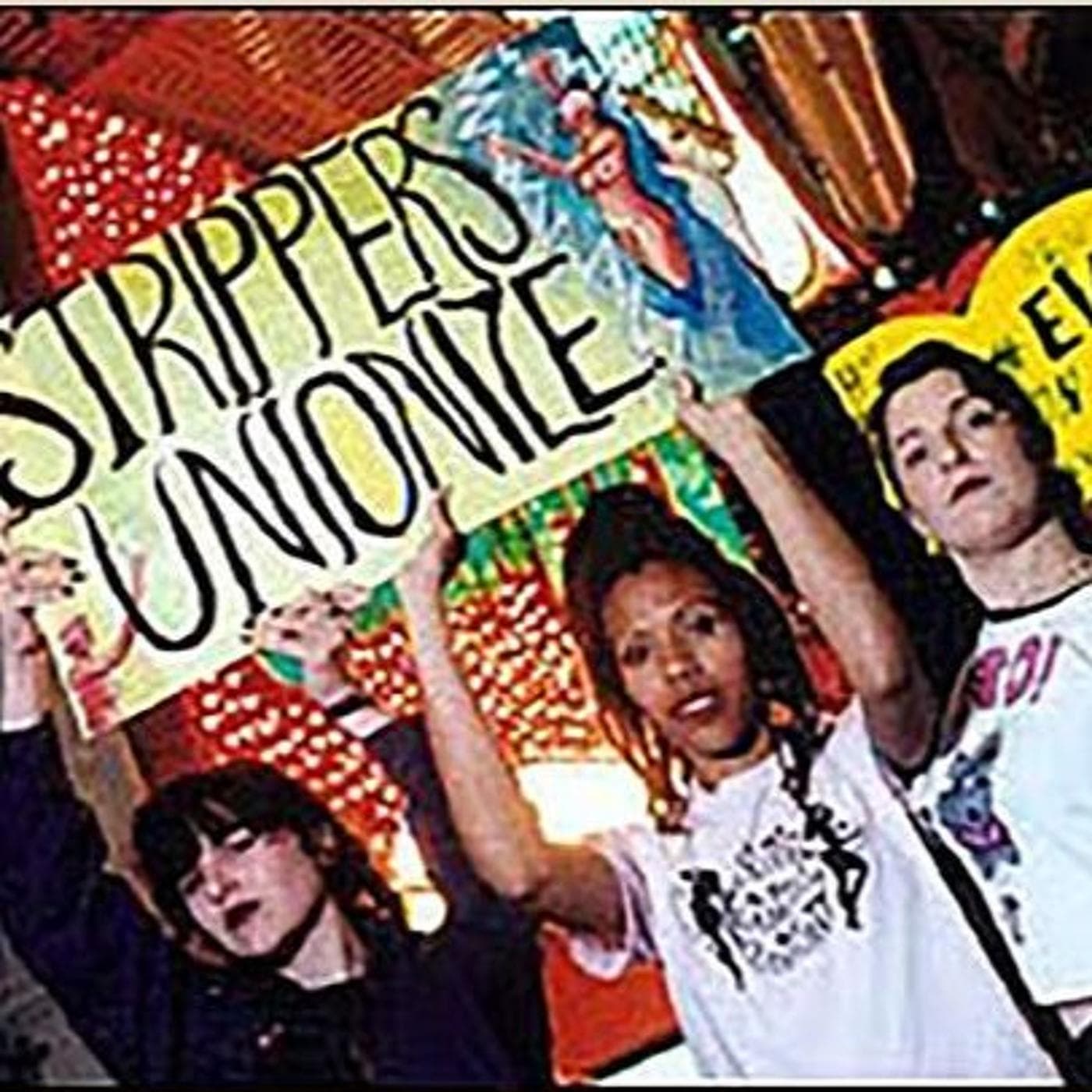
311/18/2025Being naked–or seeing others naked–can evoke a firestorm of emotions . . . everything from freedom to vulnerability to sensuality to shame. In three stories pulled from the Storytelling Project archives (created in 2012) we explore the glory and grit of stripping down.
9
Nakedness, part 1: Exposure Therapy
30 min
311/18/2025Destiny Cunningham learned shame early. The comments that teachers, church leaders, and other kids made about her body led her to wear clothes like armor, hiding herself from others so she wouldn't be noticed. Years later, Destiny and her friends decide to visit a nudist retreat in the hopes that she'll learn how to become naked without feeling exposed.
10
Reclaiming, Part 8: Back to the Garden
19 min
311/18/2025“Back to the Garden” tells the story of an organic farming couple, Jose and Rich, who are committed to sustaining the environment . . . and who don't believe in climate change. This episode explores how that dissonance might be possible, the power of language, and whether or not the term "climate change" will help save the planet. Produced by Anna McNulty, Shameeka Wilson, and Laura Joyce Davis.